
Signs Your Hot Water System Needs Replacing
Rusty water, strange noises, or no hot water at all? Here are the signs a Wynnum hot water unit is on its way out, not just due for a repair.
It's not always obvious until it fails completely
Most hot water systems don't give much warning. One day it's working, the next you're standing under a cold shower wondering what happened. But there are usually signs in the weeks or months before, if you know what to look for.
Rusty or discoloured water
If hot water runs rusty or brownish while cold water from the same tap runs clear, that's often the tank itself corroding internally. This is especially common in bayside areas like Wynnum, where salt air speeds up corrosion on older fittings and tanks. Once the tank itself is rusting, a repair won't fix the underlying problem.
Popping or rumbling noises
A layer of sediment builds up at the bottom of the tank over the years. As it hardens, it can cause popping, rumbling or banging sounds during heating. It's a sign the unit is working harder than it should, and on older tanks it often points toward the end of its working life rather than something a simple flush will fix.
Water pooling around the unit
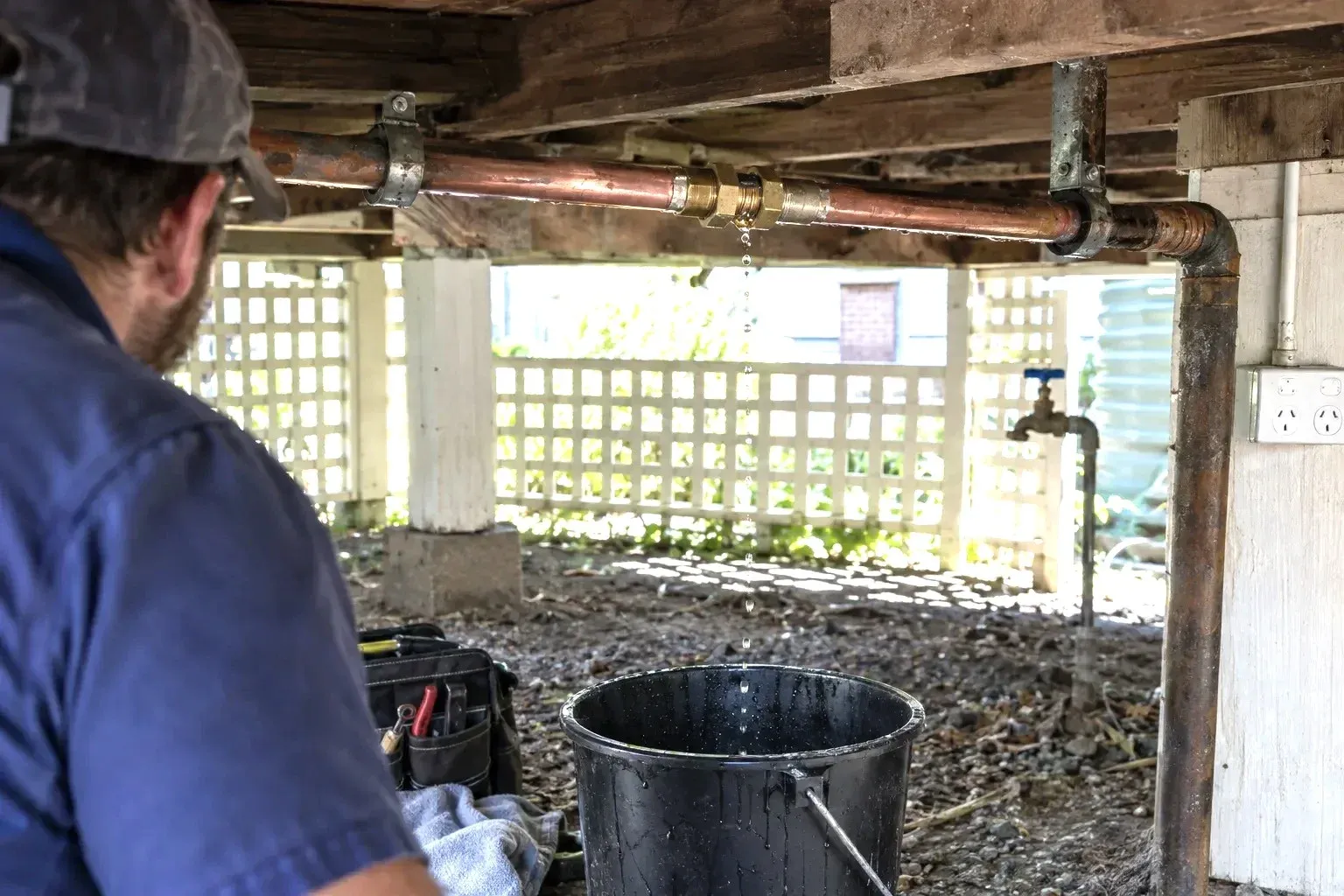
Any moisture or pooling water around the base of the tank is worth acting on quickly. It can mean a fitting has failed, which might be repairable, or it can mean the tank itself has started leaking, which generally means replacement. Either way, it's not something to leave and watch.
Age of the unit
Most tank-style hot water systems have a working life of around 8-12 years, though this varies by type and how hard the water is. If your unit is in that range and starting to play up, it's worth getting it looked at before it fails outright, usually on a weekend, with a house full of people wanting a shower.
Inconsistent hot water
If the hot water runs out faster than it used to, or the temperature fluctuates mid-shower, the heating element, thermostat or the tank's capacity to hold heat may be on the way out.
What to do about it
It depends on the age of the unit and what's actually failed. A newer unit with one faulty part is usually worth repairing. An older tank showing several of these signs at once, particularly rusty water or visible leaking, is usually at the point where replacement makes more sense than another repair.
If you're not sure which camp your system falls into, a photo of the unit and its data plate, along with a description of what it's doing, is usually enough for us to point you in the right direction before we even come out.
Found this useful?
Let's help with your next project.
Get in touch and tell us about your project.
Get in touchKeep reading
All posts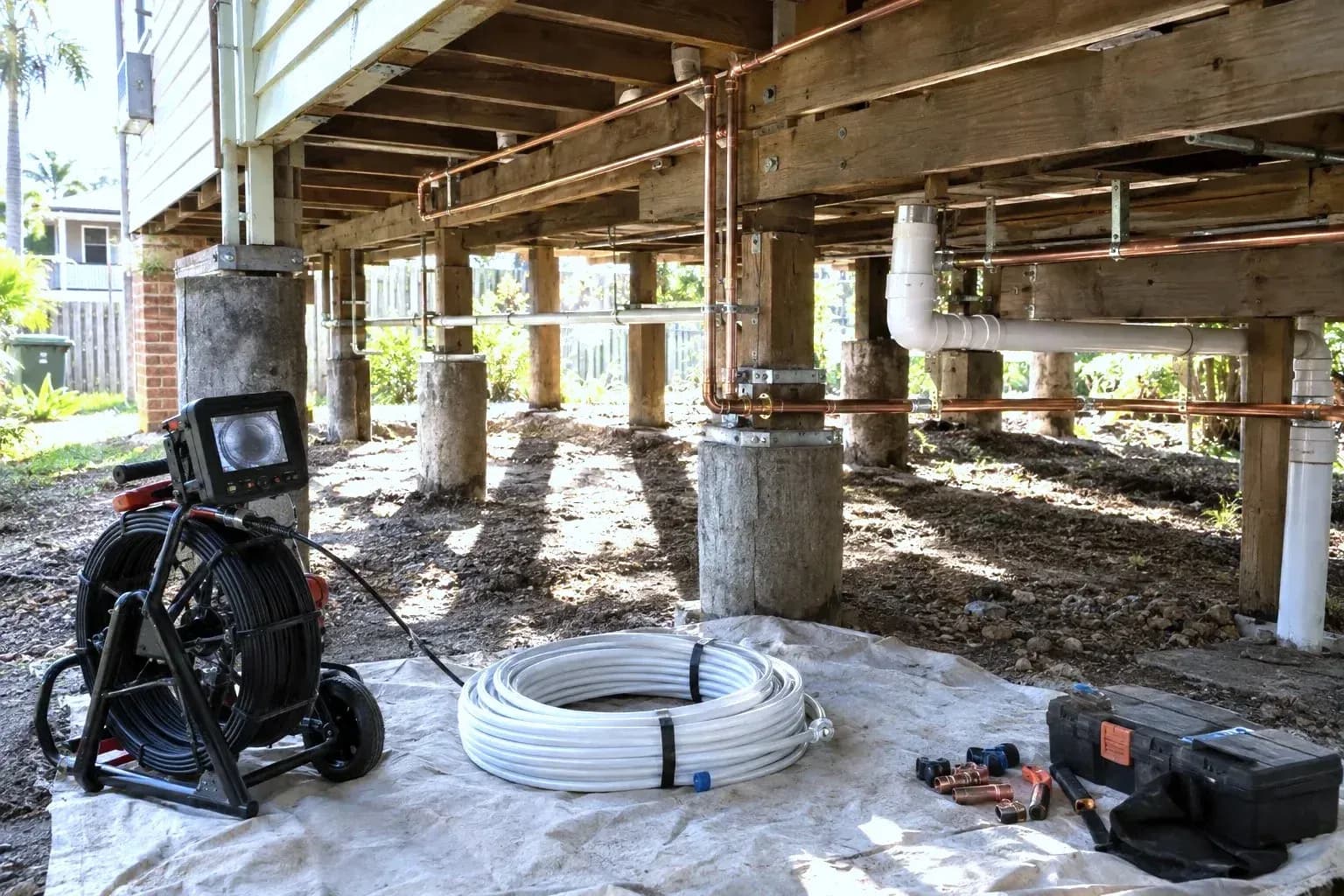
Preparing Your Stormwater and Downpipes for Storm Season in Wynnum
Summer storms hit the bayside hard. Here's how to get stormwater lines and downpipes ready before the heavy rain arrives in Wynnum.
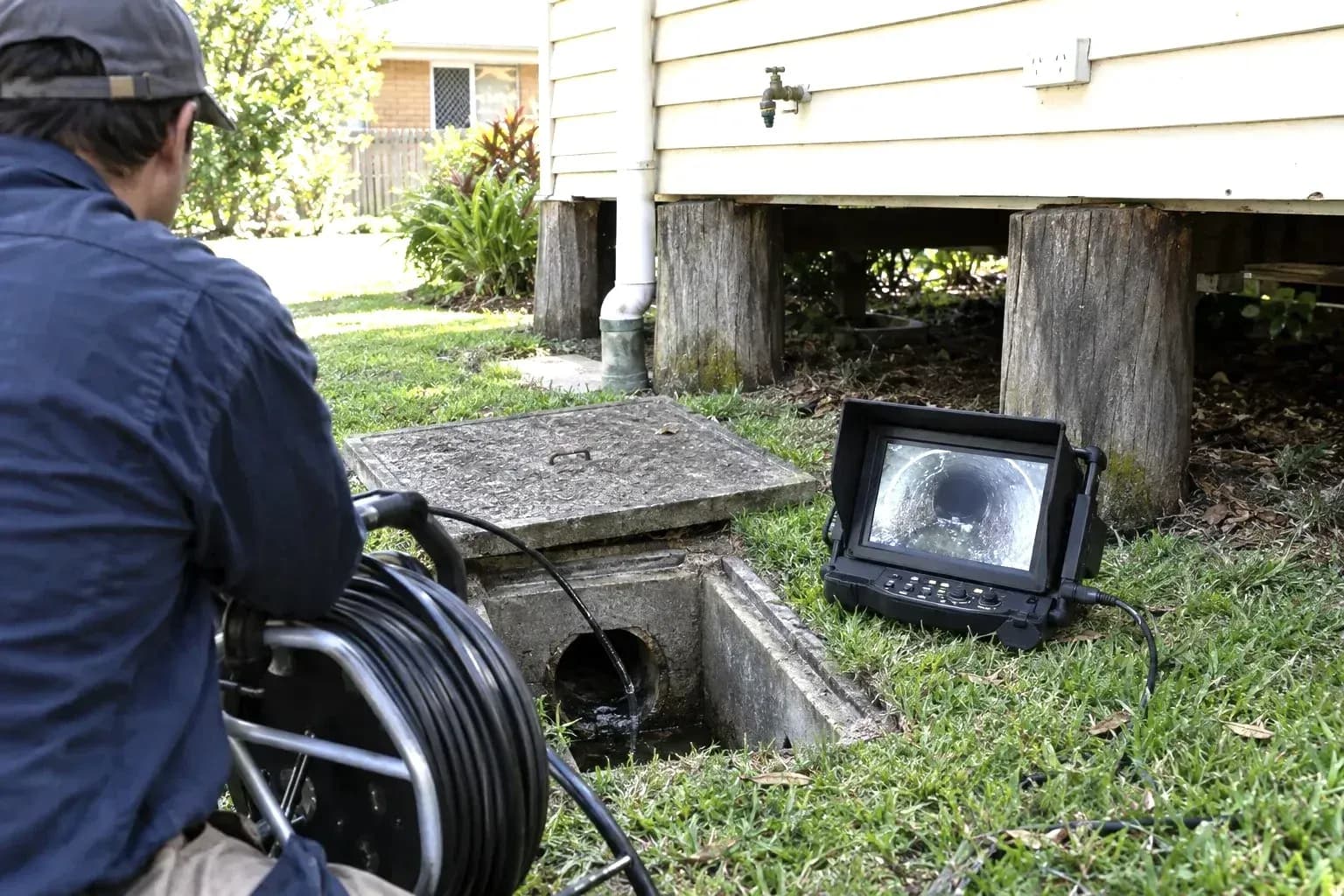
What Is a Camera Drain Inspection and When Do You Need One?
A blocked drain that keeps coming back usually has a cause you can't see. Here's what a camera drain inspection shows and when it's worth it.
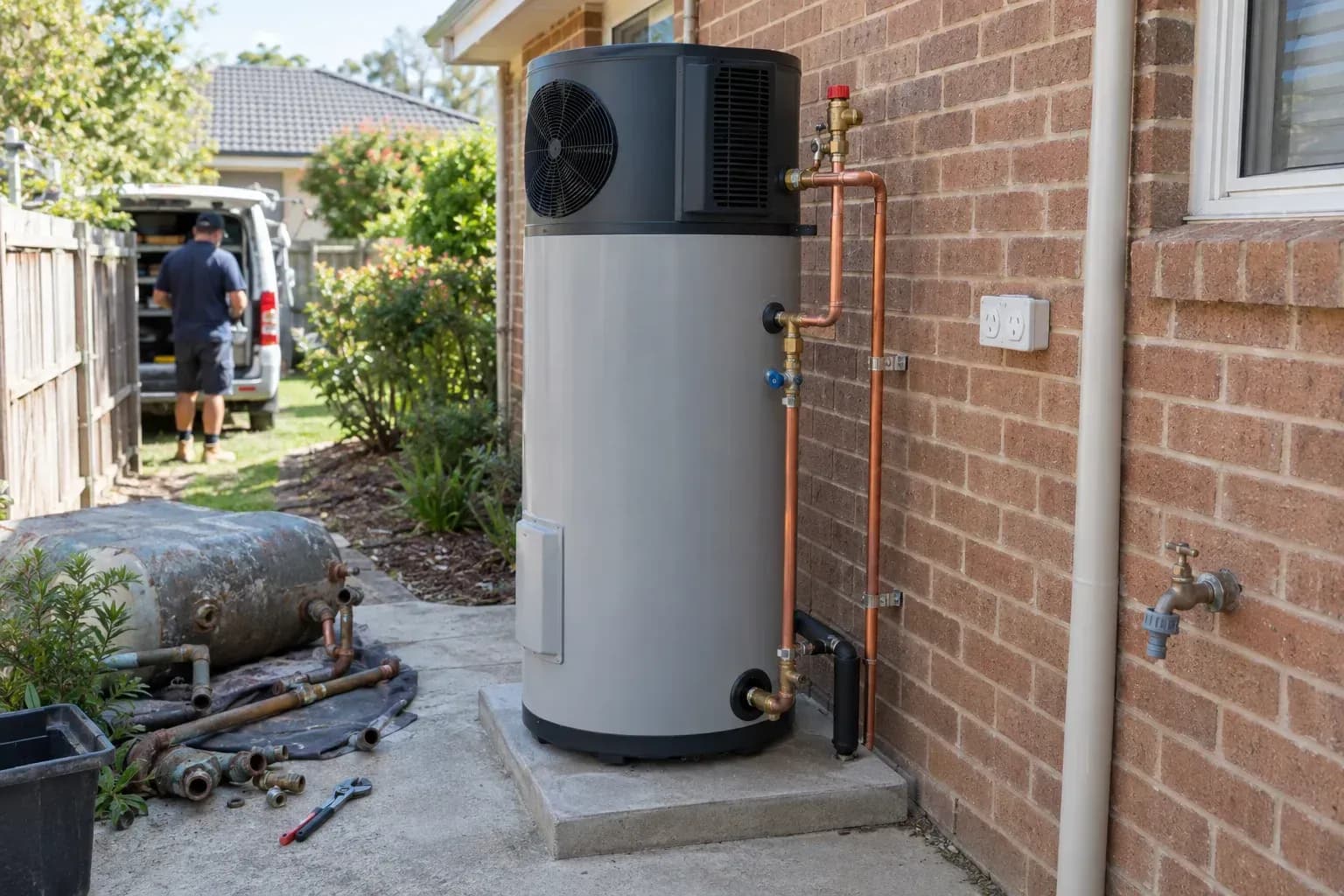
How Much Does Hot Water System Replacement Cost in Wynnum?
Wondering what a new hot water unit costs in Wynnum? Here's what actually changes the price, and why we quote one fixed figure upfront.